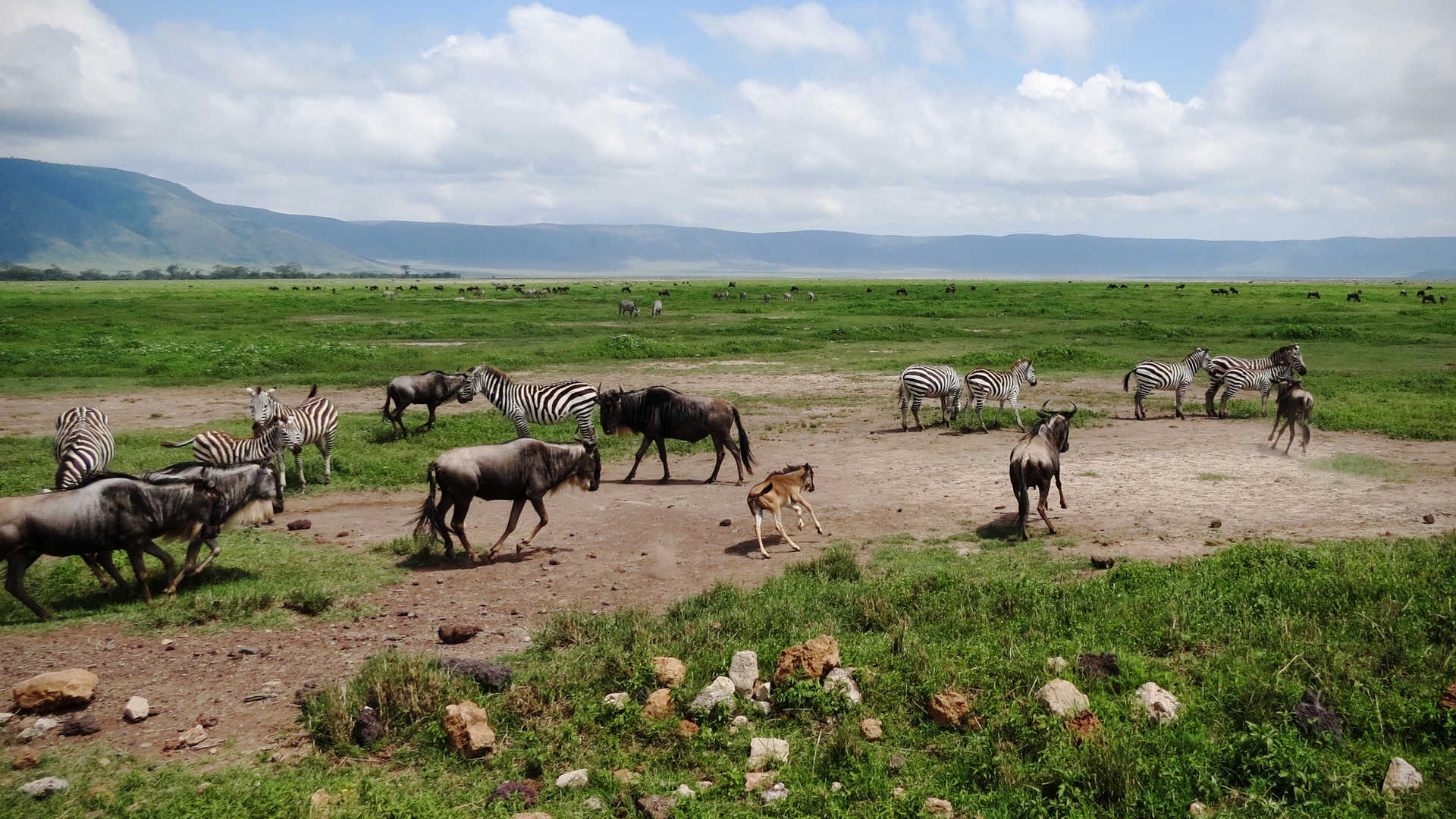
With a surface area of 2600 square kilometers, Tarangire National Park is a long, narrow park. The Tarangire River, a sizable river that flows through the park, gives water to it all year long, thus you can expect to see vast herds of animals there. The park has a lot to offer, including big wetlands like the Gursi, Silale, and Larmakau marshes, as well as savannas, huge mounds of grass, and a rocky terrain.
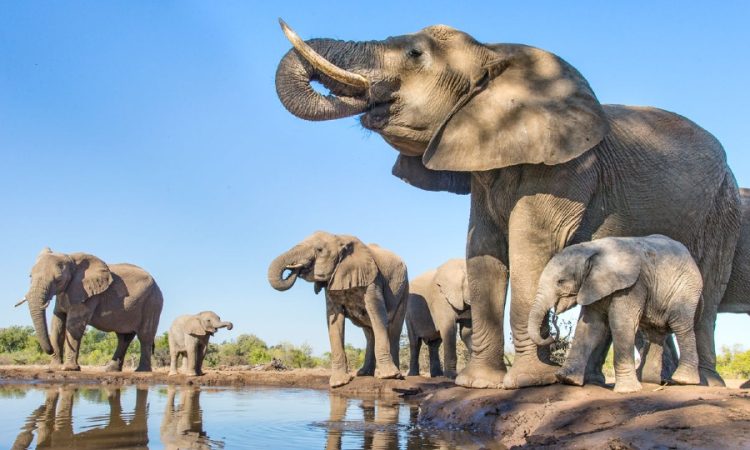
In the park, there are more elephants per square mile than anyplace else in the world. In addition, you may witness a python that climbs trees, and the area has a wide variety of birds—over 550 distinct species have already been counted.
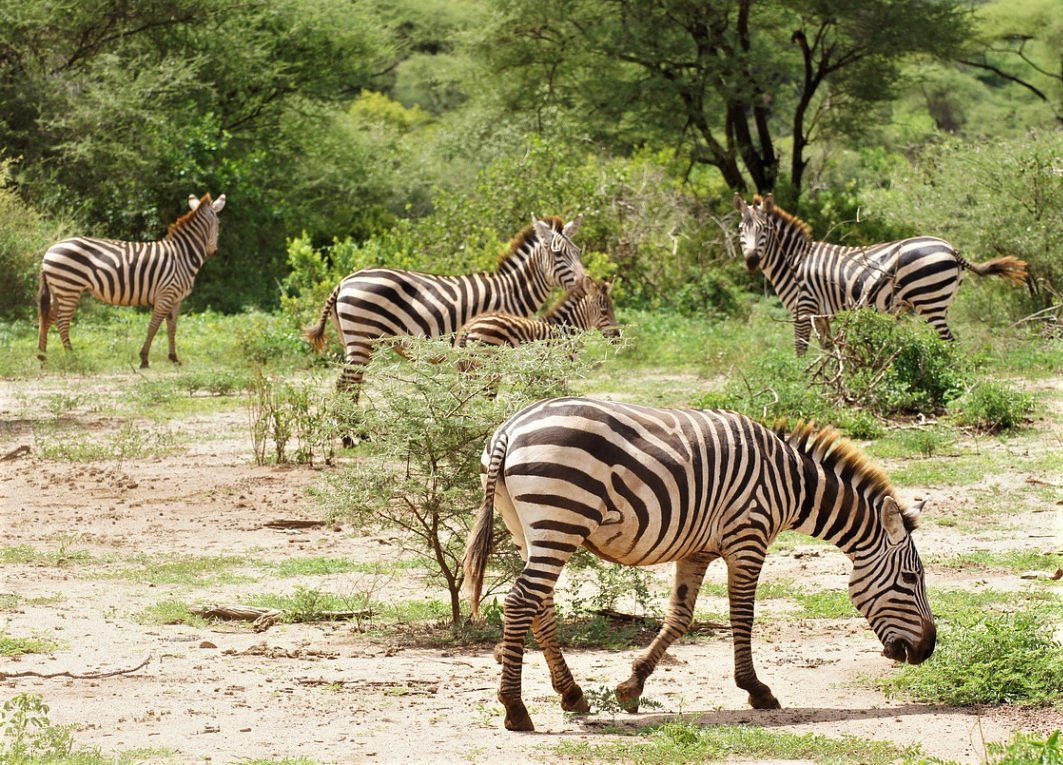
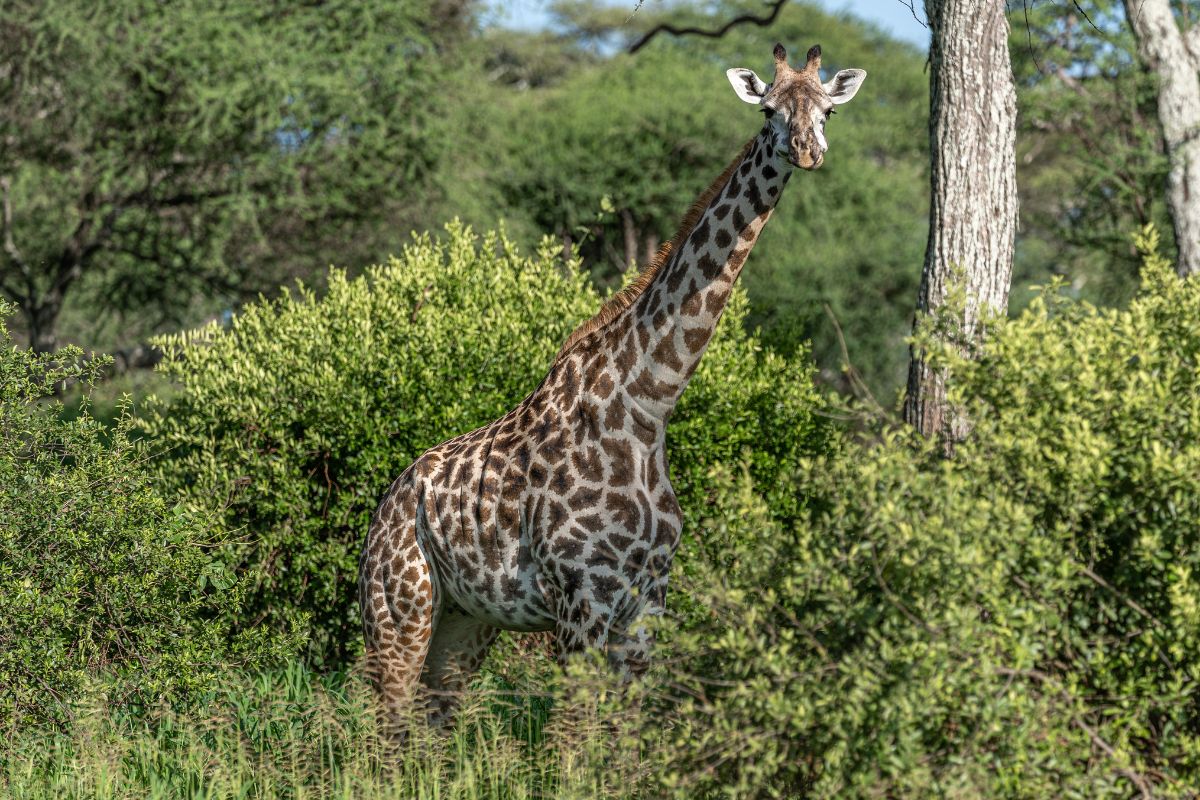
There are also giraffes, buffalo, impalas, lions, Thomson gazelles, dikdiks, zebras, wildebeest, cheetahs, hyenas, hippopotamuses, nile crocodiles, hartebeests, ostriches, leopards, and elephants that you can witness in the wild.
You are cordially welcomed at Tarangire. We are ecstatic to see you here and appreciate your faith in us. Everyone may enjoy a journey to Tarangire, whether it be a day trip or an overnight stay.
The park is exceptionally beautiful due to its well-known concentration of wild animals, particularly elephants, and it is also one of the best birding locations in East Africa.
The Tarangire River, which flows through the park and encircles its 2850 km2 total area, gave it its name.
After the Serengeti, the Tarangire National Park has the second-largest wildlife population. This very small piece of land is bustling with activity all year round and is home to wildebeests, leopards, cheetahs, lions, wild dogs, cape buffalos, giraffes, baboons, monkeys, elephants, and many more.
The larger kudu, the ashy starling, and the fringe-eared oryx are three endangered species that can only be found in this park in Tanzania.
The diverse species congregates near waterholes and riverbanks throughout the dry season in search of fresh water, providing a wealth of viewing possibilities. As the wetlands begin to dry out, you could even get the opportunity to observe one of Tarangire’s renowned tree-climbing pythons hiding in the low branches.
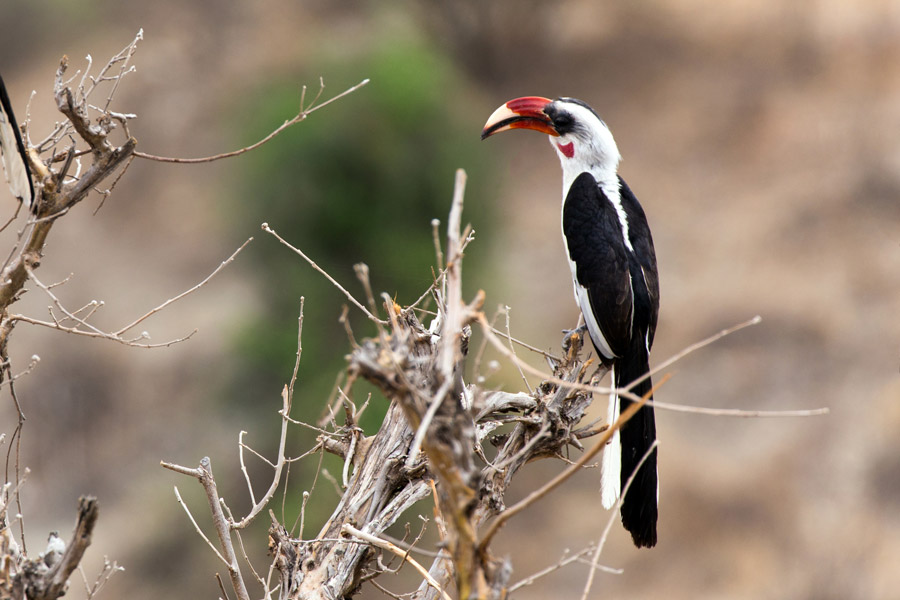
Over 500 different bird species may be found in Tarangire National Park, some of which are unique to that area only. Bateleurs eagles, Yellow-collared lover birds, hornbills, Helmeted Guinea fowls, Kori bustards, Pennant-winged Nightjars, Brown Parrots, Striped Swallows, and Huge Lappet-Faced Vultures are just a few of the uncommon birds found in the park. Acacia glades, marshes, and areas close to the Tarangire River offer the best opportunities for bird watching.
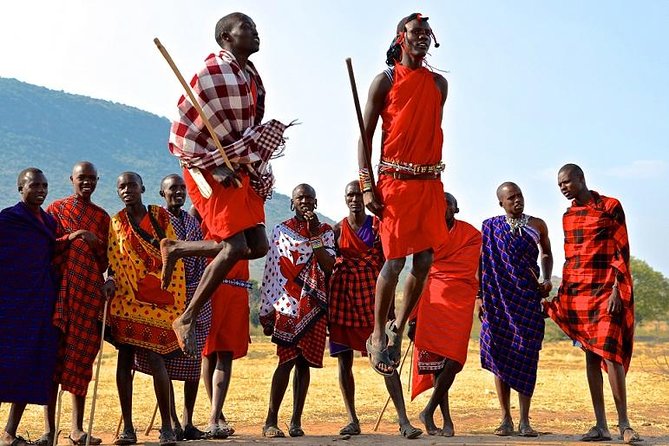
The Masai steep is not too distant from Tarangire National Park. Therefore, you can go to the local Masai tribe if you want to do a cultural safari. This is a well-known tribe of pastoral nomads who you have probably seen in postcards and photographs of Tanzania’s native tribes. They can be identified by their voluminous red and orange robes. In certain instances, they go so far as to welcome guests by putting on their amazing jumping dance. You will see a different side of life there, one that exists beyond the confines of contemporary civilisation. You can help the community by buying beloved souvenirs of your experience in the African wilderness made by the locals.