7-Day Rongai Route Kilimanjaro Climb

overview

Rongai is Kilimanjaro’s only route approaching from the northern slopes — Kenya’s side — offering drier conditions (critical in wet seasons) and dramatically fewer climbers. While its forest section is less lush than southern routes, this dry corridor provides reliable weather windows when Machame or Lemosho face cloud cover. We maximize this advantage with strategic pacing: two full nights at Mawenzi Tarn (4,300m) for optimal acclimatization before summit push. Our 85% wet-season success rate on Rongai reflects this science-backed rhythm. And always: 100% KPAP-certified porter welfare with wages 3x Tanzania’s legal minimum.
Day to day itinerary

KLA
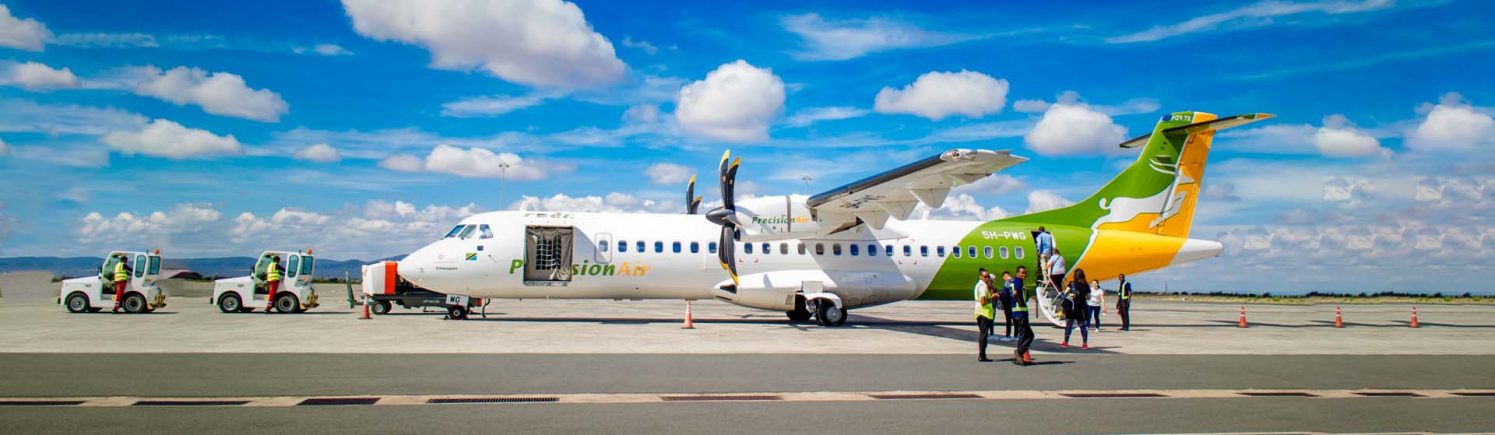
Your Kilimanjaro journey begins at Kilimanjaro International Airport (JRO), where your lead guide greets you with chilled lemongrass water infused with local mint. The transfer to Arusha includes context about Rongai’s unique character — how this northern approach served early explorers seeking drier conditions during monsoon seasons.
Evening unfolds with a transparent pre-climb briefing:
  • Honest discussion of Rongai’s profile: drier climate advantage vs. less dramatic forest section
  • Introduction to your porter team (photos with names and villages provided)
  • Explanation of our dual-acclimatization strategy at Mawenzi Tarn — the key to Rongai’s high success rate
This foundation of realistic expectations builds deeper trust.
Breakfast
Lunch
Dinner
Nalemoru Gate_
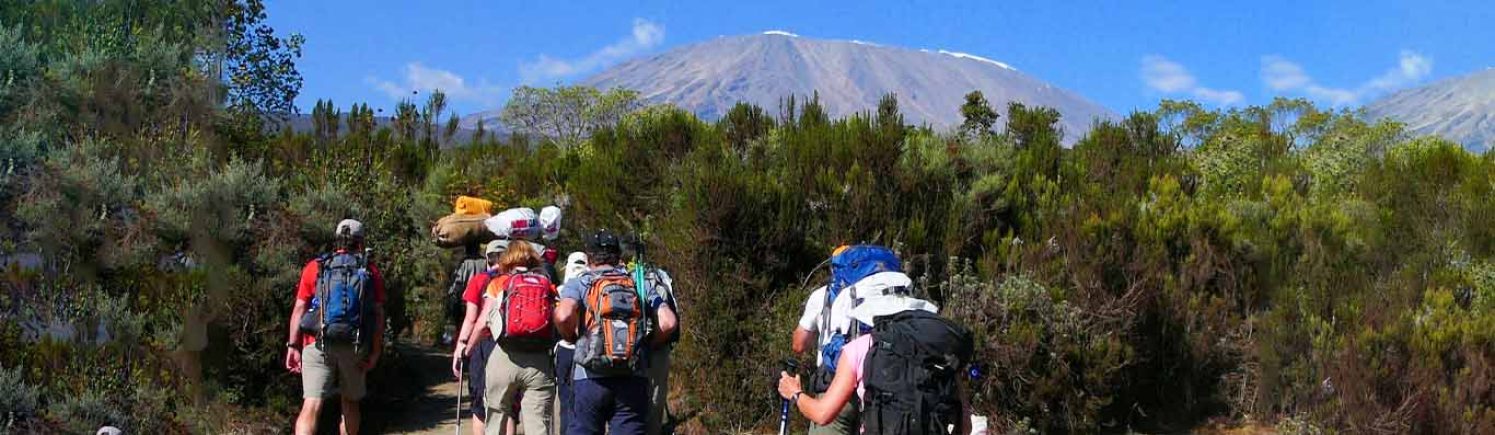
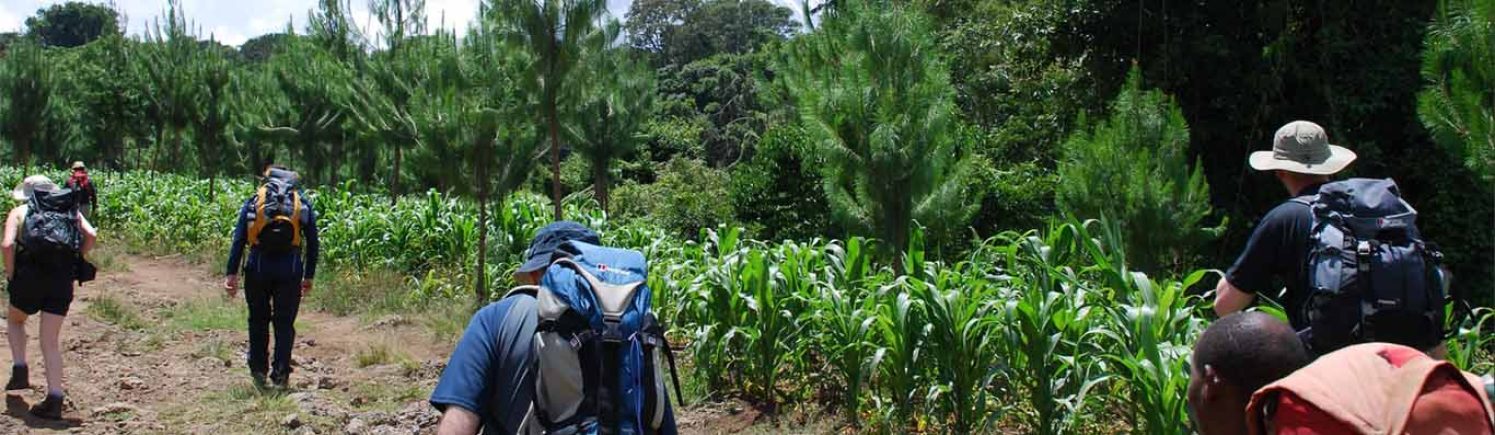
Depart early for Nalemoru Gate on Kilimanjaro’s remote northern flank — a 3-hour drive through Maasai rangelands where red-shawled herders guide cattle across ochre plains. Unlike crowded southern gates, Nalemoru feels like stepping into Kilimanjaro’s quiet heart.
The ascent begins through dry montane forest — less dense than southern routes but rich with unique adaptations:
  • Spot Abbott’s duikers (small forest antelope) darting through dry undergrowth
  • Learn how African olive trees survive with deep taproots accessing subterranean moisture
  • Observe how northern slopes receive less rainfall — creating a distinct ecosystem
Arrive at Simba Camp (2,650m) by early afternoon. As the sun sets behind Kibo’s distant summit cone, your guide explains, “This northern path breathes differently. Drier air means clearer skies — a gift when southern routes drown in clouds.”
Breakfast
Lunch
Dinner
simba camp kilimanjaro_
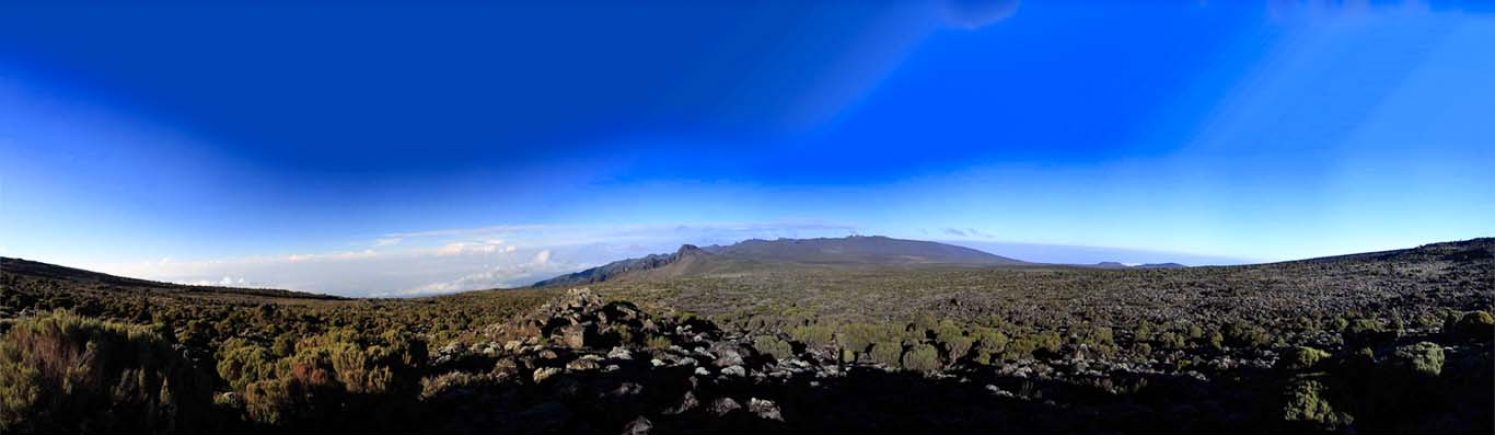
Rise as morning mist burns quickly in the dry air — a hallmark of Rongai’s northern climate. Today’s climb transitions through heather zone into open moorland where giant lobelias stand like sentinels against vast skies.
Your guide explains the ecological distinction: “Southern routes get 2,000mm annual rainfall. Here, only 800mm falls — so plants grow tougher, roots dig deeper. Like us: adversity builds resilience.” Lunch at Second Cave — a historic shelter used by early explorers — offers panoramic views of Kenyan plains stretching northward.
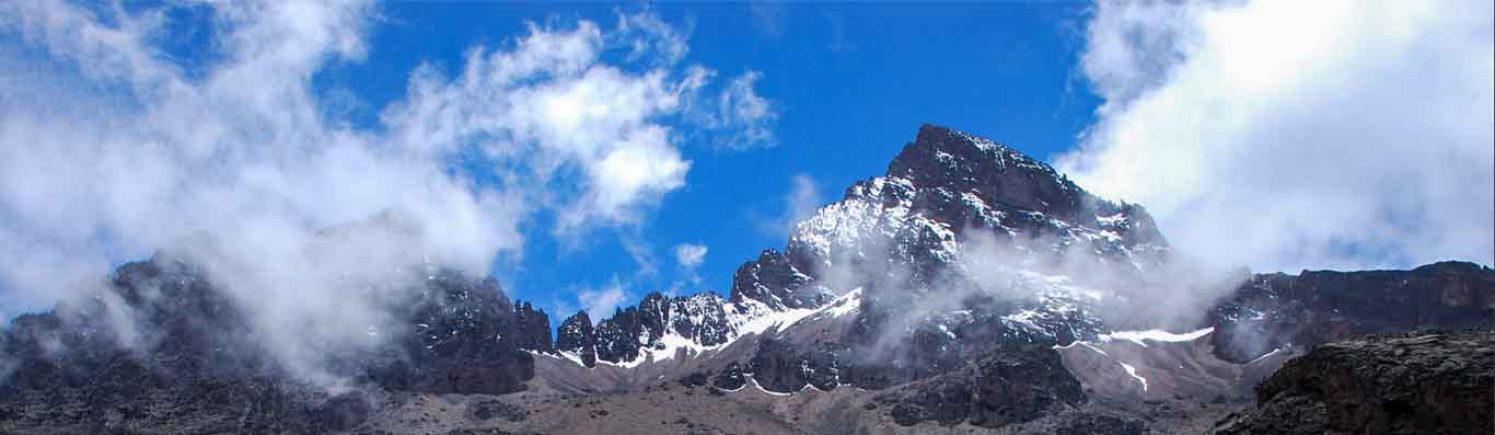
Afternoon arrival at Kikilewa Camp (3,500m) reveals Rongai’s reward: unobstructed views of Mawenzi Peak’s jagged silhouette — Kilimanjaro’s dramatic eastern summit rarely seen from southern routes.
Breakfast
Lunch
Dinner
Mawenzi Tarn Camp
Morning ascent through alpine desert where the landscape transforms dramatically: vegetation thins, volcanic scree dominates, and Mawenzi Peak grows increasingly imposing. Your guide explains the geology: “Mawenzi erupted first, 2 million years ago. Kibo came later, burying its base in ash. They’re siblings born millennia apart.”
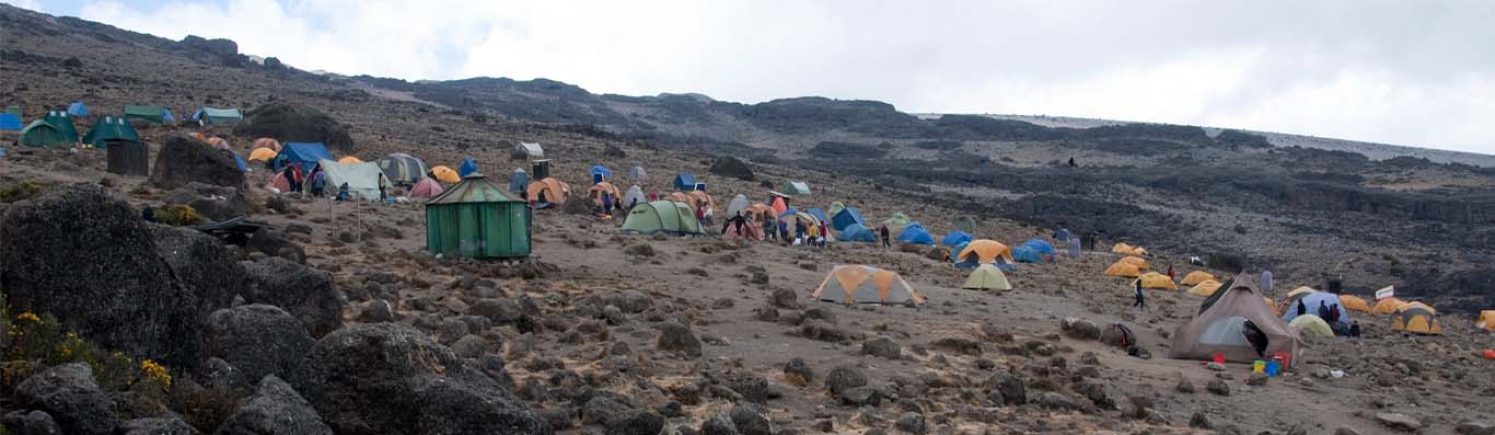
Arrive at Mawenzi Tarn Camp (4,300m) beside a glacial tarn reflecting the peak’s jagged profile, one of Kilimanjaro’s most dramatic camp settings. As afternoon light paints Mawenzi gold, your guide emphasizes: “We sleep here two nights, not by accident. This elevation triggers critical red blood cell production. Patience here buys summit success tomorrow.”
Breakfast
Lunch
Dinner
karanga the break fast camp_
A full day dedicated to purposeful acclimatization at 4,300m — the physiological cornerstone of Rongai’s high success rate. Morning hike ascends 200m toward Mawenzi’s lower slopes, where your guide demonstrates pulse oximetry: “See your saturation stabilize at 82% after yesterday’s rest? That’s adaptation. Today’s hike locks it in.”
Afternoon brings a choice:
  • Geology option: Explore volcanic formations with a guide explaining Kilimanjaro’s three-peak origin story
  • Rest option: Quiet time beside the tarn with the Kilimanjaro geology field guide
  • Photography option: Position for golden hour shots of Mawenzi’s changing light
This unhurried day embodies Rongai’s gift: space to adapt without pressure.
Breakfast
Lunch
Dinner
Kibo Huts
Morning ascent across the Saddle — Kilimanjaro’s high-altitude plateau between Mawenzi and Kibo. This vast, silent expanse (4,500m+) feels like walking on another planet:
  • Your guide explains how this saddle formed when glaciers retreated 11,000 years ago
  • Spot rare alpine swifts riding thermals above the barren landscape
  • Feel the psychological shift as Kibo’s summit cone dominates the horizon
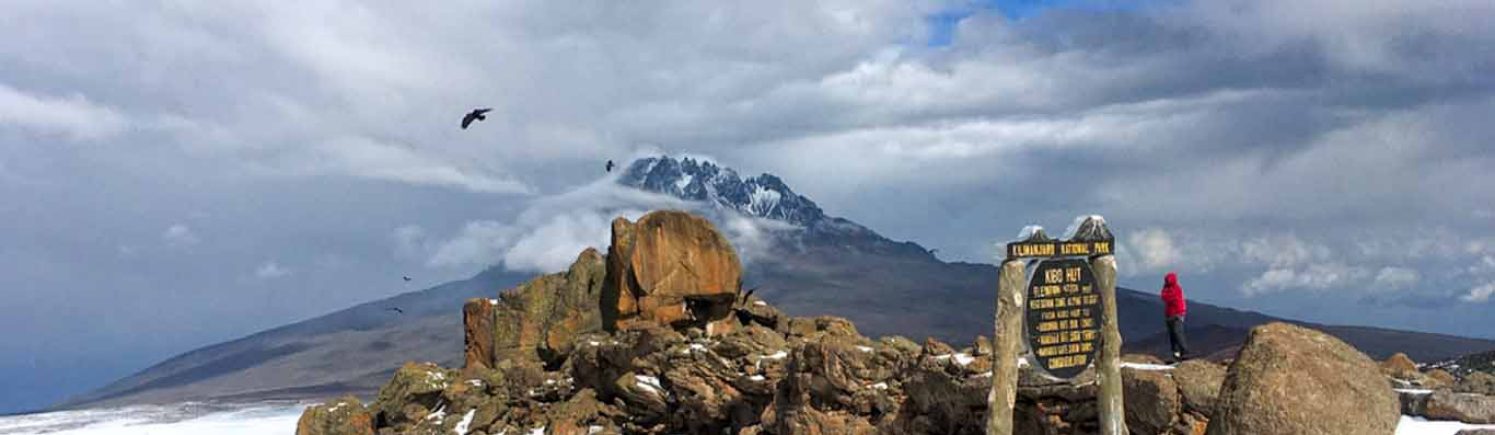
Arrive at Kibo Huts (4,700m) by early afternoon — the mountain’s highest shelter. Afternoon focuses on strategic rest: oxygen saturation check, gear preparation, early high-calorie dinner (4:00 PM), and 6:30 PM bedtime. Your guide’s briefing: “The saddle taught you silence. Tonight, carry that quiet confidence upward. Summit success lives in calm minds.”
Breakfast
Lunch
Dinner
Kilimanjaro dawn on the Shira Plateau
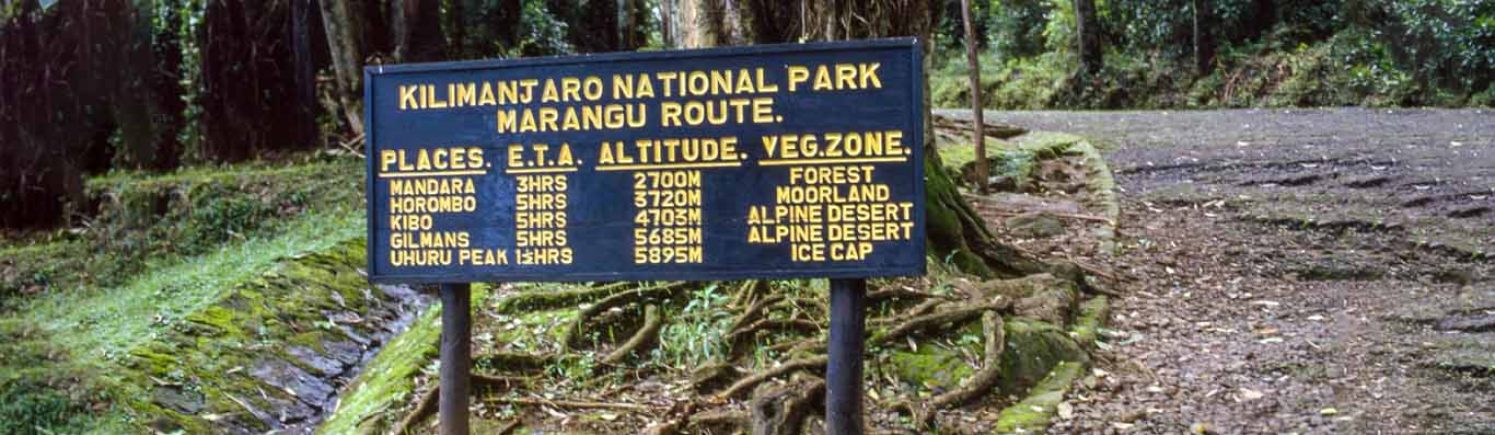
Midnight departure under star-dusted skies — headlamps illuminating the switchbacks of the Marangu Route (Rongai joins this path for summit push). The 6-hour ascent to Gilman’s Point (5,685m) follows a rhythm of breath and step through frozen scree: “Pole pole. Each exhale releases the day’s weight. Each inhale draws strength from this ancient mountain.”
From Gilman’s Point, the final crater rim traverse to Uhuru Peak (5,895m) unfolds in alpenglow as dawn ignites Tanzania below. This moment — earned through Rongai’s patient rhythm — carries profound meaning.
Summit celebration: A small Tanzanian flag for your photograph — unhurried, meaningful. Then the careful descent: rest at Kibo Huts, then onward to Horombo Huts (3,720m) via the Marangu descent trail where porters greet you with songs and steaming soup.
Breakfast
Lunch
Dinner
Kilimanjaro - Marangu route huts
Final descent through lush rainforest on Kilimanjaro’s wetter southern slopes — a dramatic contrast to Rongai’s dry northern approach. At Marangu Gate, park officials present your summit certificate with handwritten congratulations. Your guide reflects: “You experienced Kilimanjaro’s duality — dry north and wet south. Few climbers witness both faces of this mountain.”
Return to Arusha for a celebration dinner — your first proper chair in seven days. Porters receive their well-earned compensation in a transparent ceremony.
Breakfast
Lunch
Dinner
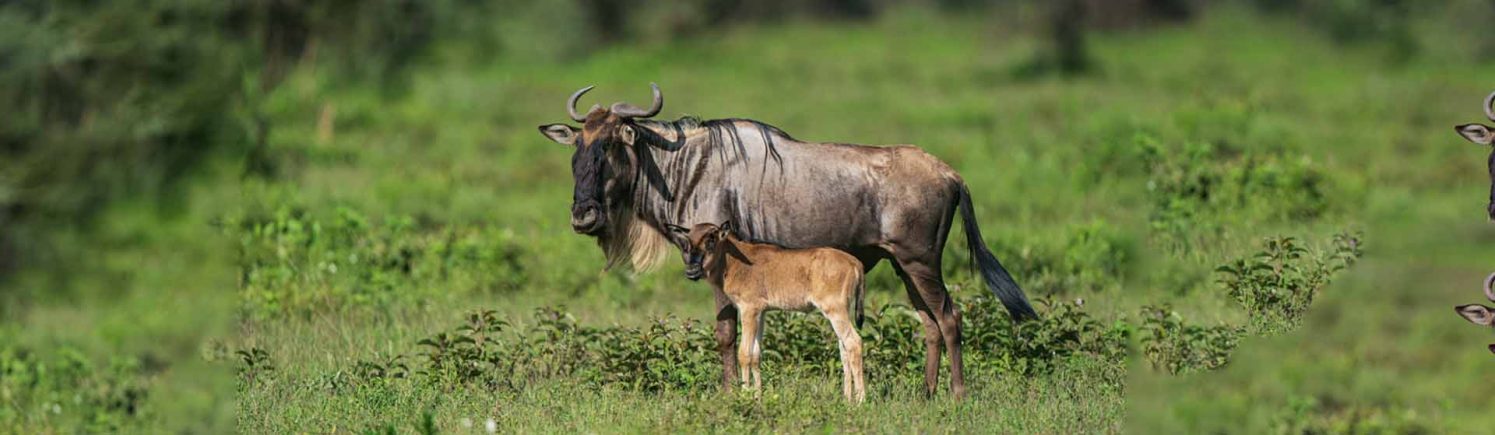
Wildebeest with calf__
Morning reflection over coffee: “You walked where few tread — Kilimanjaro’s quiet northern flank. Carry that solitude as strength in your daily life.”
Transfer to Kilimanjaro Airport (JRO) with your summit certificate, porter team photos, and GPS coordinates of your 10 planted trees. You depart not just as a climber, but as a witness to Kilimanjaro’s hidden face.
Breakfast
Lunch
Dinner

ICONIC WILDLIFE

No data was found

Includes and excludes

What's INCLUDED

What's NOT INCLUDED

related activities

No data was found

talk to our expert

Do  you have any Question or you need more information about this itinerary?

BOOK FOR A TRIP

Request your tailored African safari quote now

BOOK NOW A SAFARI

Related

ITINERARIES

8 Days Lemosho Route Kilimanjaro Climb

7-Day Rongai Route Kilimanjaro Climb

6-Day Umbwe Route Kilimanjaro Climb