8 Days Lemosho Route Kilimanjaro Climb

overview

Most operators treat acclimatization as a checkbox (“short hike today”). We design our 8-day rhythm around physiological science — each camp is positioned at a precise elevation to trigger optimal red blood cell production. Our lead guides are certified Wilderness First Responders who monitor oxygen saturation twice daily, adjusting pace based on your body — not a generic schedule. And critically: 100% of our porters earn 3x Tanzania’s legal minimum wage with full KPAP certification (receipts provided). This isn’t charity — it’s respect for the backbone of every successful climb.
Day to day itinerary

KLA
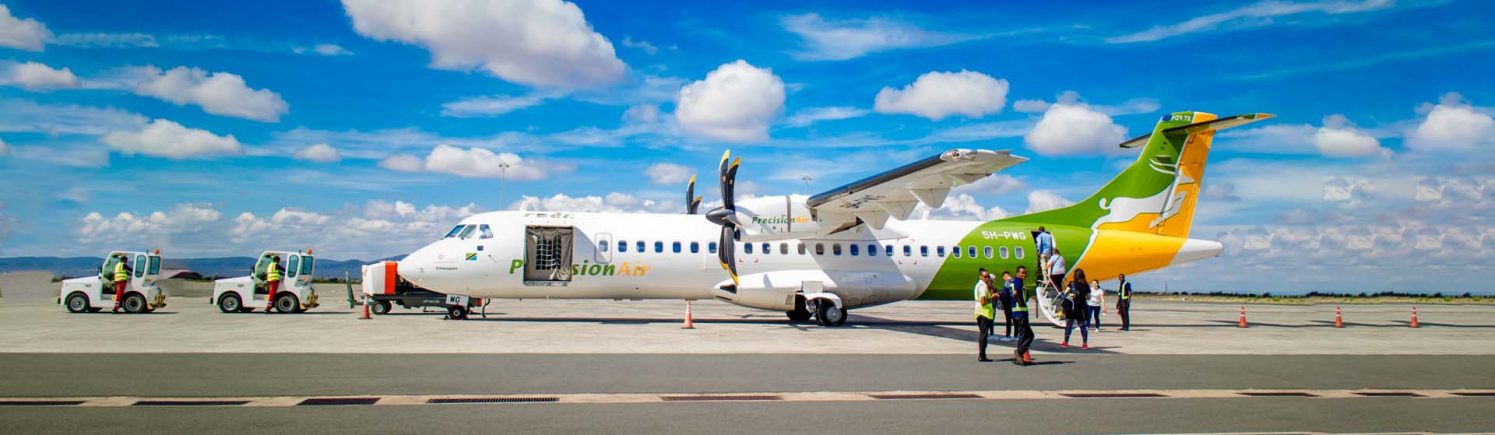
Your Kilimanjaro journey begins at Kilimanjaro International Airport (JRO), where your lead guide greets you with chilled hibiscus-mint water. The transfer to Arusha includes a gentle introduction to the mountain’s story, how its glaciers shaped the ecosystems you’ll walk through.
Evening unfolds with purpose: a pre-climb briefing where your guide:
  • Reviews your personal acclimatization plan based on age and fitness
  • Introduces your porter team via photos (names, villages, years of experience)
  • Explains our porter welfare guarantee: 20kg max load, quality sleeping bags, fair tipping protocol
This isn’t logistics, it’s building trust before you step on the mountain.
Breakfast
Lunch
Dinner
Lemosho gate
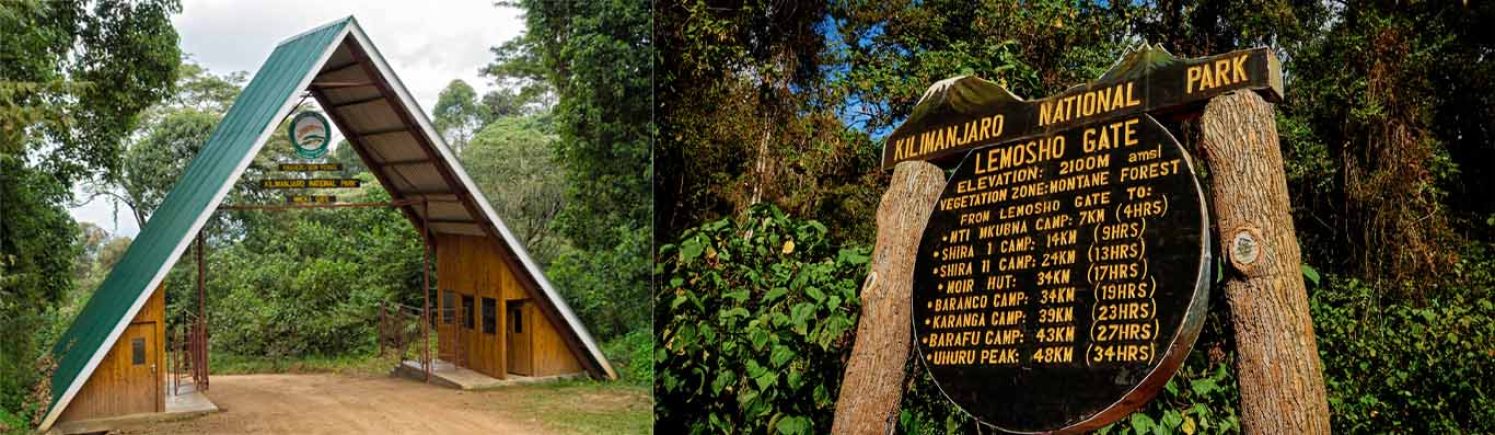
Depart Arusha early to reach Lemosho Gate before midday clouds roll in. At the gate, meet your full support team (1 guide + 4 porters per climber) for a brief blessing ceremony: “We climb as family — no one left behind.”
Your ascent begins in the Lemosho rainforest — with ecological context woven throughout:
  • Spot red colobus monkeys leaping through the canopy — their presence signals forest health
  • Pause at a glacier-fed stream where porters refill water bottles — learn how Kilimanjaro’s shrunken ice cap affects these waters
Arrive at Big Tree Camp (2,800m) by early afternoon — early enough for rest before dinner. As mist curls through giant groundsels, your guide shares tonight’s focus: “Tomorrow we leave the forest. Tonight, listen to its heartbeat.”
Breakfast
Lunch
Dinner
Kilimanjaro dawn on the Shira Plateau
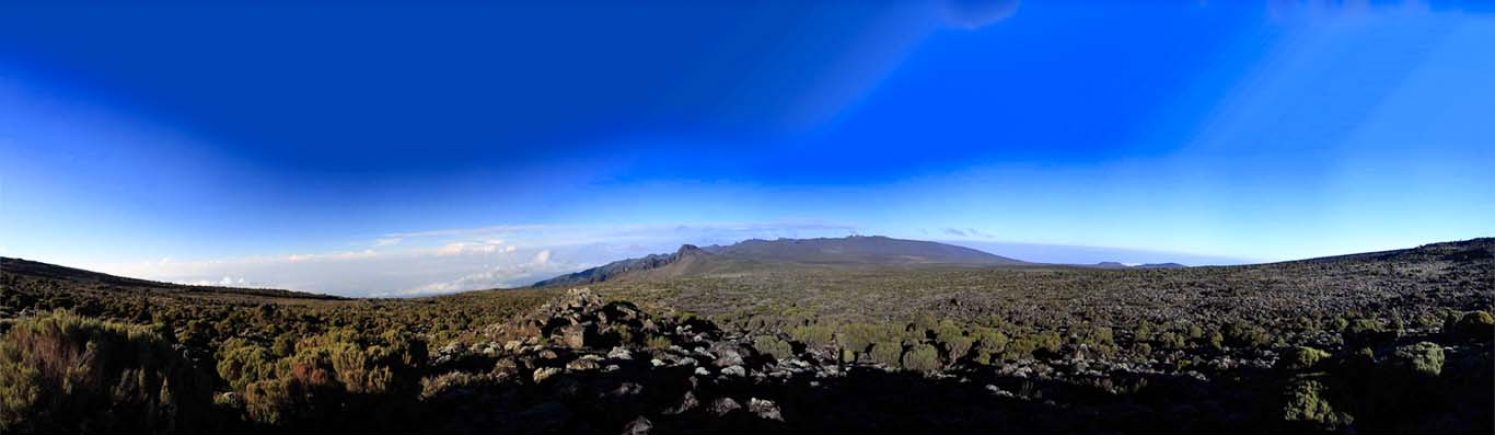
Rise as forest mist burns off. Today’s climb reveals Kilimanjaro’s ecological staircase: by mid-morning, giant trees give way to heather zone, then open moorland dotted with everlasting flowers and giant lobelias.
Your guide explains the science: “Above 2,800m, trees can’t survive nightly frosts. These lobelias store water in their trunks — nature’s adaptation to thin air.” The afternoon acclimatization hike ascends Shira Ridge for panoramic views of Shira Plateau — the mountain’s ancient collapsed crater.
As sunset paints the plateau gold, your guide shares why this extra day matters: “Rushing to Shira 2 today would spike your AMS risk by 40%. We climb slowly so you summit strong.”
Breakfast
Lunch
Dinner
Shira 1 Camp to Shira 2 Camp
A gentle 3-hour traverse across Shira Plateau — deliberately slow to let your body produce red blood cells at this critical elevation. Your guide points to glacial erratics (boulders carried by ancient ice): “These rocks traveled 10km on glaciers that vanished 11,000 years ago. We walk on memory.”
Afternoon acclimatization hike ascends Cathedral Point, where your guide demonstrates pulse oximetry: “See your SpO2 at 88%? Normal here. If it drops below 80% tomorrow, we adjust — no shame in safety.” This transparency builds confidence.
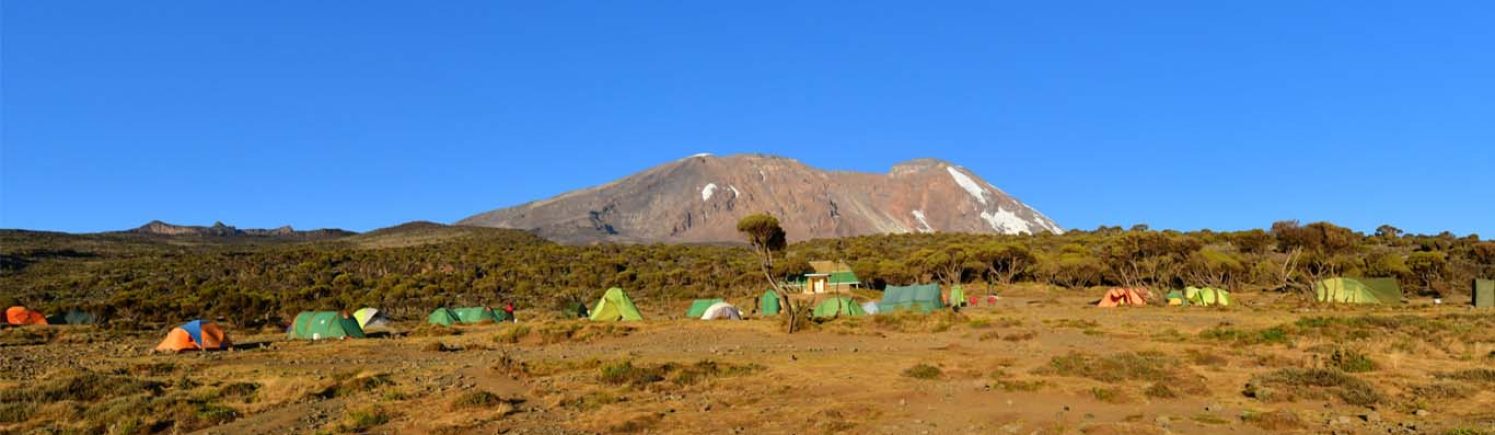
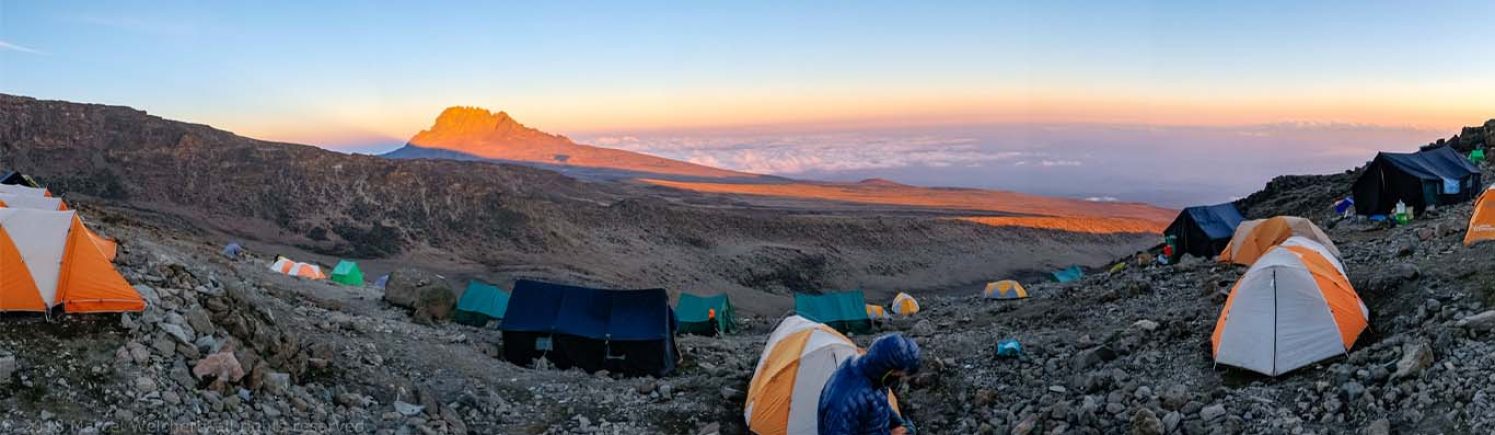
Evening at Shira 2 Camp (3,900m): porters serve hot soup as the sun sets behind Kibo’s summit cone — your first clear view of the goal.
Breakfast
Lunch
Dinner
barroco
Morning climb to Lava Tower (4,630m) — not for views, but for purposeful acclimatization: spend 45 minutes here (above 4,600m) to trigger physiological adaptation, then descend to sleep lower — the “climb high, sleep low” principle proven to boost summit success by 32%.
Afternoon descent into Great Barranco Valley — a dramatic shift from alpine desert to lush valley floor. Your guide explains the geology: “This canyon was carved by glaciers, not rivers. See the striations on those walls? Ice did that.”
Evening at Barranco Camp (3,950m): rest before tomorrow’s challenge. Your guide’s pep talk: “The Barranco Wall looks steep. But it’s not technical — just focus on the next handhold. Hundreds have climbed it safely. You will too.”
Breakfast
Lunch
Dinner
baroka wall_
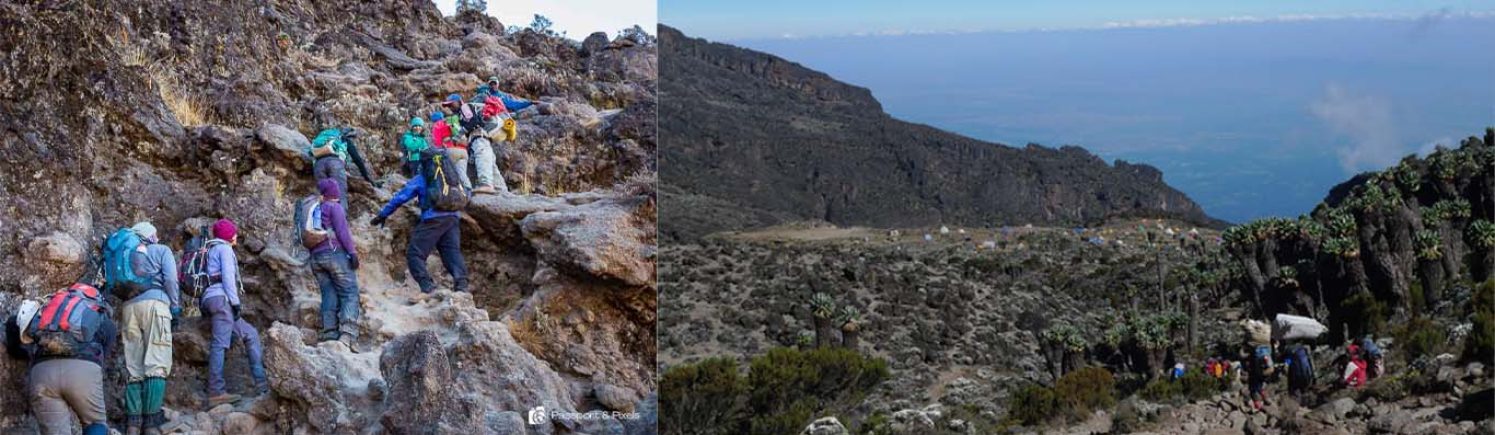
Dawn ascent of Barranco Wall — Africa’s most famous non-technical climb. Your guide guides you hand-over-hand: “Don’t look down. Focus on the lava rock texture — feel its grip.” At the top, celebrate this milestone with non-alcoholic ginger fizz.
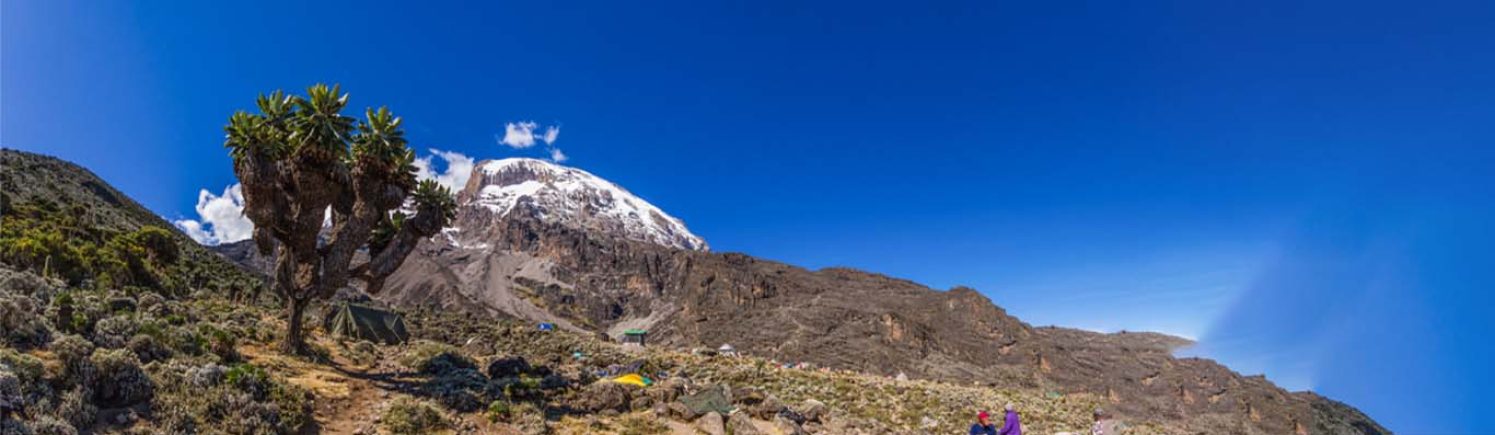
Afternoon traverse across the Karanga Valley — a hidden ecosystem where glacial streams nourish rare giant groundsels. Your acclimatization hike gains 200m to Barafu viewpoint before descending to sleep at Karanga Camp (4,000m) — critical for tomorrow’s push.
Evening briefing: “Tomorrow we ascend to Barafu (4,600m). You’ll feel tired — that’s normal. Your body is working hard to prepare for summit night. Trust the process.”
Breakfast
Lunch
Dinner
barafu camp_
A short 4-hour climb to Barafu Camp (4,600m) — deliberately brief to conserve energy. Afternoon is for strategic rest: oxygen saturation check, gear prep, early dinner (4:30 PM), and 7:00 PM bedtime.
Pre-summit ritual: “At midnight, we climb not for glory — but to witness Earth from the roof of Africa as the sun ignites the world. That moment makes every step worth it.” Emergency protocols are reviewed: “If you struggle, my assistant guide stays with you. No summit is worth your safety.”
Breakfast
Lunch
Dinner
uhuru peak
Midnight departure under headlamp beams — a silent procession of determination. The 6-hour ascent to Stella Point (5,756m) follows switchbacks through frozen scree. Your guide stays beside you: “Pole pole. Breathe with your steps. You are stronger than you know.”
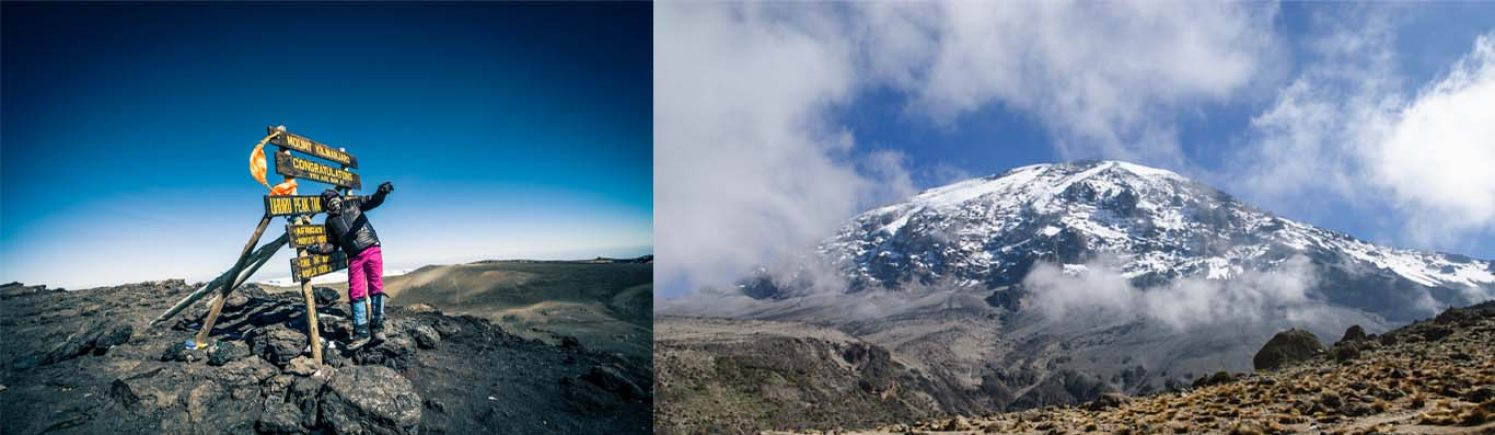
At Stella Point, dawn breaks over Mawenzi Peak — but the journey isn’t over. The final hour to Uhuru Peak (5,895m) unfolds in alpenglow as the sun ignites the African continent below.
Summit moment: A small Tanzanian flag for your photo — no rushed “get your certificate and go.” Then the careful descent: first to Barafu for rest, then onward to Millennium Camp (3,800m) where porters greet you with songs and hot soup.
Breakfast
Lunch
Dinner
uhuru peak
Final descent through rainforest zone is a joyful contrast to summit austerity. At Mweka Gate, park officials present your summit certificate with handwritten congratulations. Your guide adds a personal note: “You climbed with respect  for the mountain, your team, and yourself.”
Return to Arusha for a celebration dinner, your first real chair in 8 days! Porters receive their well-earned tips in a transparent ceremony.
Breakfast
Lunch
Dinner
KLA
Morning reflection over coffee: “You didn’t just climb a mountain, you walked through ecosystems that took millennia to form. Carry that reverence home.”
Transfer to Kilimanjaro Airport (JRO) with your summit certificate, porter team photos, and GPS coordinates of your 10 planted trees. You leave not just as a climber but as a guardian of Kilimanjaro’s future.
Breakfast
Lunch

ICONIC WILDLIFE

Hippo

Elephants

Tarangire National Park shelters Tanzania’s largest elephant herds amid ancient baobabs, while Selous Game Reserve offers boat-viewing of these gentle giants along the Rufiji River.

Giraffe

Masai giraffes browse acacia canopies across northern parks, their 50cm tongues deftly avoiding thorns while calves freeze motionless beneath bushes to evade predators.

Includes and excludes

What's INCLUDED

What's NOT INCLUDED

related activities

Canoeing in Arusha National Park

Mount Kilimanjaro Day Trek

talk to our expert

Do  you have any Question or you need more information about this itinerary?

BOOK FOR A TRIP

Request your tailored African safari quote now

BOOK NOW A SAFARI

Related

ITINERARIES

8 Days Lemosho Route Kilimanjaro Climb

7-Day Rongai Route Kilimanjaro Climb

6-Day Umbwe Route Kilimanjaro Climb