9 Days The Unhurried Circle: A Reverse Northern Circuit Journey

overview

Most safaris rush from Arusha → Manyara → Serengeti → Crater → Tarangire, leaving travelers exhausted by Day 5. We designed this reverse sequence based on wildlife behavior science: start where animals congregate predictably (Tarangire’s riverbanks), build energy for Serengeti’s vastness, then descend into the crater’s protected Eden when you’re most attuned to subtle wildlife signs. This isn’t novelty — it’s intentional pacing that transforms observation into connection.
Day to day itinerary

KLA
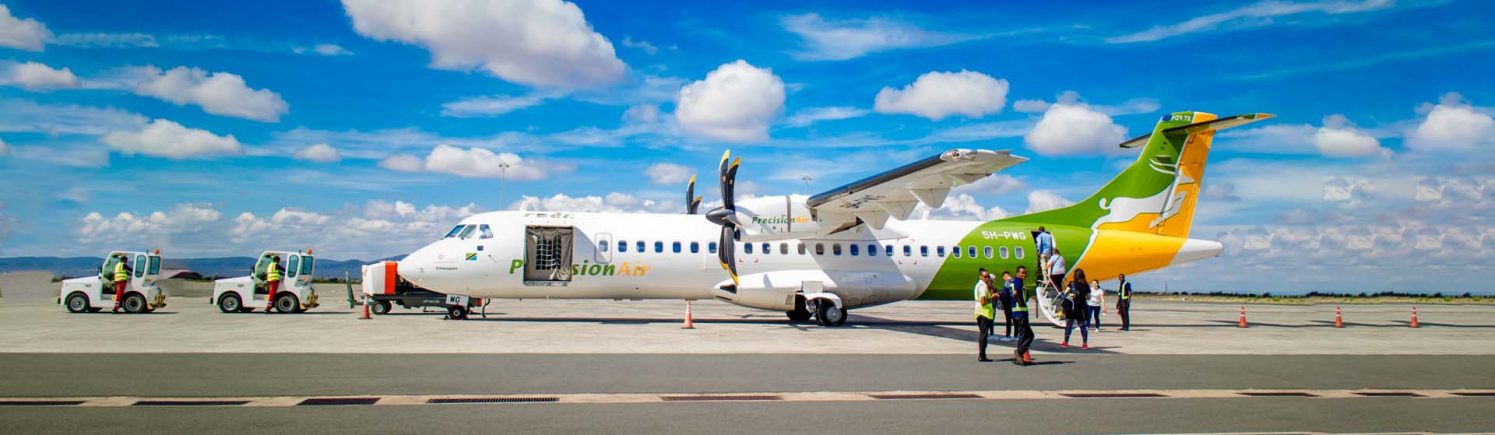
Your East African journey begins at Kilimanjaro International Airport (JRO), where your Mambo Africa Safari guide greets you with chilled water infused with tamarind — a traditional welcome. The 45-minute transfer winds through Arusha’s vibrant streets toward your accommodation nestled on Mount Meru’s lower slopes.
This evening focuses on settling, not rushing. Enjoy a Swahili-spiced welcome drink on your garden veranda as the sun sets behind Meru’s silhouette. Your guide joins you for a personalized briefing: discuss wildlife interests, photography goals, or cultural curiosities. This safari adapts to your rhythm from day one.
Breakfast
Lunch
Dinner
baobao_
Depart Arusha at 8:00 AM — deliberately later than competitors to avoid rushed transfers. Your guide (a Tarangire native) begins sharing elephant ecology as we pass Maasai homesteads: “These matriarchs remember droughts from 20 years ago. They lead herds to water sources their grandmothers used.”
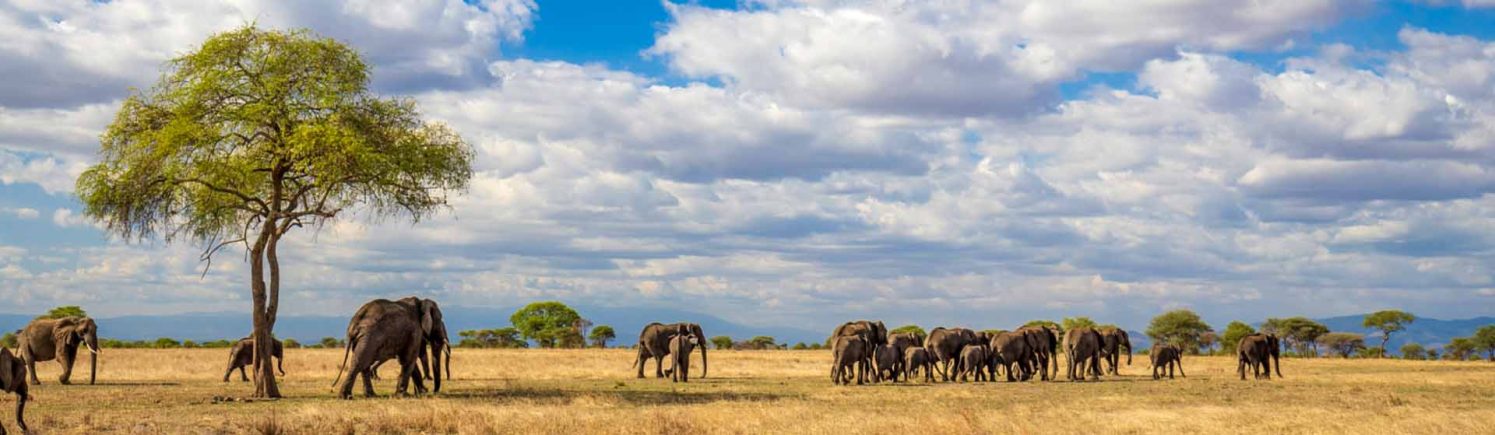
Enter Tarangire National Park by 11:00 AM when animals gather near the river — optimal viewing without dawn wake-ups. Your afternoon game drive focuses on the Silale Swamp, a year-round water source attracting 300-strong elephant families. Watch matriarchs guide calves through riverbeds with trunks intertwined — a lesson in kinship spanning generations.
Breakfast
Lunch
Dinner
Tarangire nationa park elephants
Rise at 6:00 AM for Tarangire’s most magical hours. Track a leopard descending from rocky kopjes to drink at the Tarangire River — a rare sight as leopards avoid open areas by day. Your guide explains why Tarangire’s leopards behave differently than Serengeti’s: “Here, water security means less competition — they hunt at dawn, not midnight.”
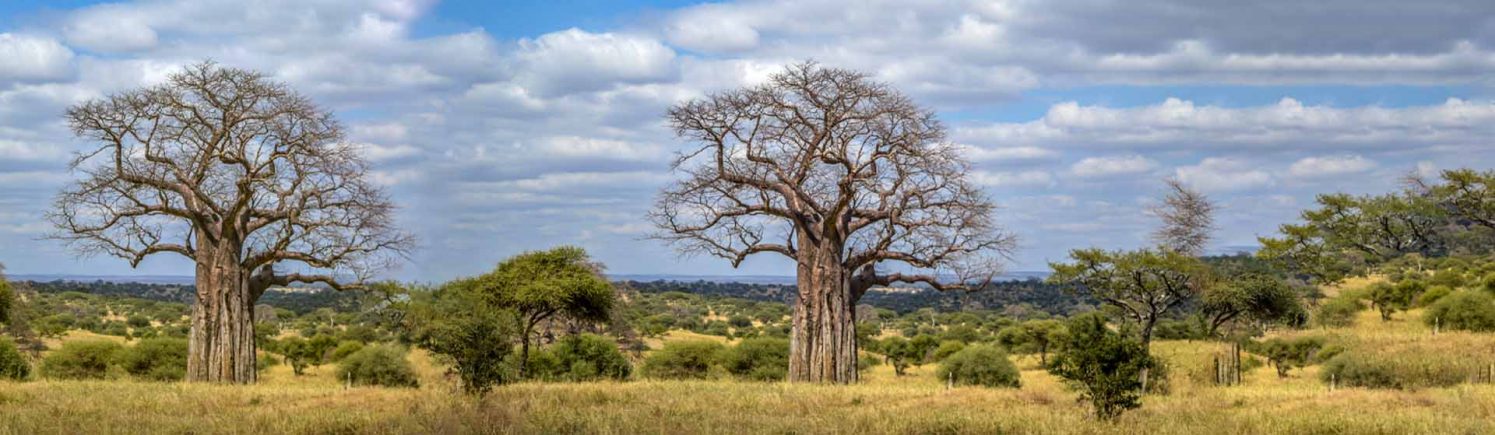
Afternoon brings intimate moments: watch giraffes stripping acacia leaves with prehensile tongues, observe kudu males locking horns in silent battles for mates. As dusk settles, position near a baobab grove where elephants return to ancestral sleeping grounds — generations of memory encoded in their movements.
Breakfast
Lunch
Dinner
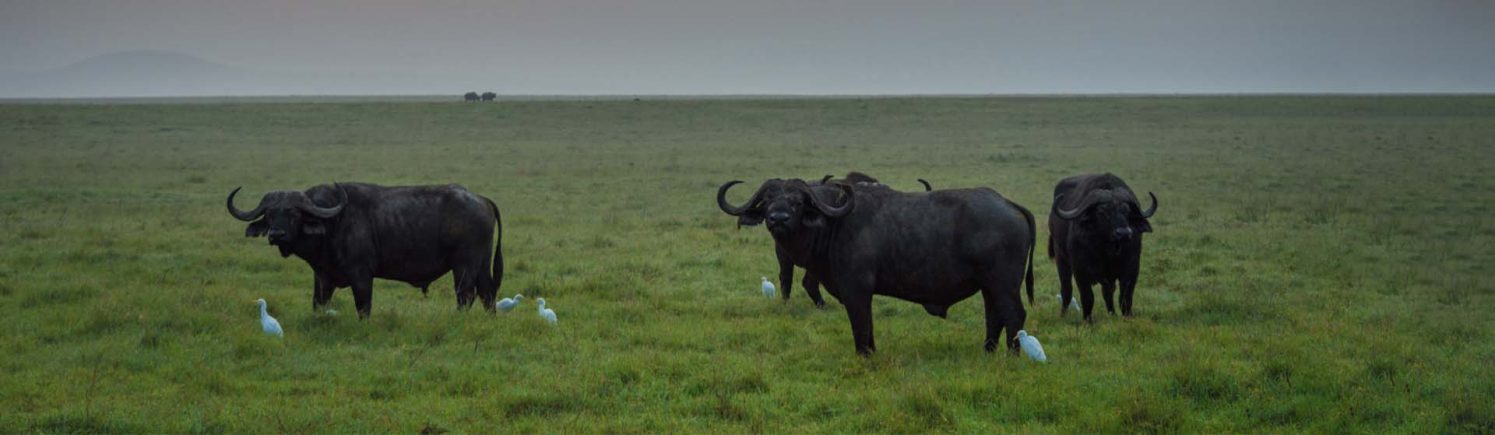
Ngorongoro buffalos at sunrise
Depart after breakfast, ascending through the Ngorongoro Highlands where coffee farms give way to montane forest. This deliberate pause day avoids the common mistake of rushing from Tarangire directly to Serengeti.
Your guide shares Maasai land stewardship wisdom as we pass community conservancies: “These families chose wildlife corridors over maize farms. Their children now attend school funded by photographic tourism — not hunting.” Visit a community-owned coffee cooperative where women roast beans using solar dryers — taste the difference ethical farming makes.
Settle into a family-owned lodge in Karatu where avocado trees shade your veranda. This rest day prepares you physically and mentally for Serengeti’s vastness tomorrow.
Breakfast
Lunch
Dinner
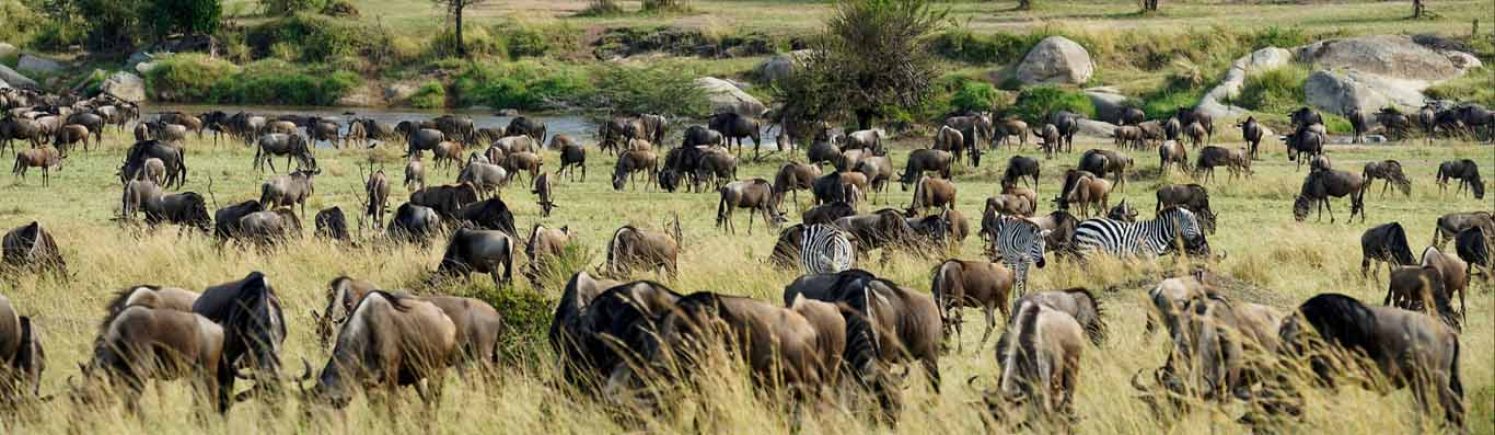
Serengeti Herds
Depart early, descending the Rift Valley escarpment where the landscape transforms from forest to golden plains. Enter Serengeti National Park via the less-traveled Ndutu Gate — avoiding crowded western entrances.
Your afternoon game drive unfolds across the Southern Plains (January-March) or Western Corridor (June-October), depending on migration positioning. Your guide tracks real-time herd movements shared via our guide network — not generic “chasing migration” promises. Witness wildebeest moving like liquid across the horizon, zebras forming striped rivers through grasslands.
Breakfast
Lunch
Dinner
Dawn game drive tracking predator-prey dynamics: cheetahs using termite mounds as lookout points, lion prides coordinating herd separations, hyena clans waiting at river crossings. Your guide explains migration intelligence: “Wildebeest don’t follow leaders — they respond to neighbors’ movements. It’s collective wisdom, not hierarchy.”
Afternoon focuses on ecological storytelling: visit a kopje where rock hyraxes sunbathe beside ancient rock art left by hunter-gatherers 2,000 years ago. Your guide connects past and present: “These paintings show wildebeest migrations. The rhythm hasn’t changed — only our ability to witness it.”
Breakfast
Lunch
Dinner
Morning drive toward Moru Kopjes — granite islands rising from plains where leopards drape over boulders and lion prides rest in dappled shade. Unlike rushed transfers, we treat this drive as active wildlife viewing: stop at Retima Hippo Pool where submerged giants surface with explosive snorts.
Afternoon unfolds at your leisure: choose between a guided walk with Maasai trackers learning animal sign interpretation, or rest in camp watching elephants drink at a nearby waterhole. This flexibility honors safari’s original purpose: unhurried connection, not checklist tourism.
Breakfast
Lunch
Dinner
Depart Serengeti after breakfast, journeying eastward along the Gol Mountains where giraffes browse treetops against dramatic escarpments. Ascend the Ngorongoro Crater rim by early afternoon — deliberately not descending today to avoid rushed crater experiences.
Your lodge perches on the eastern rim — chosen for sunset views away from crowded western viewpoints. Watch clouds drift below your veranda as the crater transforms from green to violet to star-dusted black. Join a short guided walk with a Maasai elder who shares stories of coexisting with wildlife for centuries.
Breakfast
Lunch
Dinner
Descend into the crater at 6:00 AM — before tourist vehicles arrive — for uninterrupted wildlife viewing. Your guide navigates to Lerai Forest where black rhinos browse quietly beneath yellow fever trees (Tanzania’s most reliable rhino sightings).
After ascending the crater wall, journey to Lake Manyara National Park for a final contrast: groundwater forests where blue monkeys leap between mahogany branches and tree-climbing lions rest in acacia limbs. This reverse-circuit finale reveals Tanzania’s ecological diversity — from Tarangire’s giants to Manyara’s whispers.
Return to Arusha by 3:00 PM. Your guide presents a small farewell gift: a hand-carved olawaru (Maasai bracelet) from his own village. Transfer to Kilimanjaro Airport (JRO) with memories that linger long after departure.
Breakfast
Lunch
Dinner

ICONIC WILDLIFE

Lions

Tanzania’s lions are apex predators thriving in female-led prides across Serengeti and Ngorongoro, with unique tree-climbing behavior famously observed in Lake Manyara National Park.

Cheetahs

Tanzania’s cheetahs are the world’s fastest land mammals, sprinting up to 112 km/h across Serengeti plains while hunting in daylight with exceptional eyesight and agile precision.

Leopards

Tanzania’s leopards are stealthy, solitary big cats renowned for hoisting prey into acacia trees across Serengeti and Tarangire to avoid scavengers like lions and hyenas.

Elephants

Tarangire National Park shelters Tanzania’s largest elephant herds amid ancient baobabs, while Selous Game Reserve offers boat-viewing of these gentle giants along the Rufiji River.

Black Rhino

Critically endangered black rhinos browse Ngorongoro’s Lerai Forest at dawn, using hooked lips to pluck leaves in this volcanic sanctuary.

Wildebeest

1.5 million wildebeest migrate cyclically through Serengeti-Mara ecosystem, calves born within a three-week window to overwhelm predators through sheer numerical safety.

Giraffe

Masai giraffes browse acacia canopies across northern parks, their 50cm tongues deftly avoiding thorns while calves freeze motionless beneath bushes to evade predators.

Zebra

Burchell’s zebras migrate alongside wildebeest across Serengeti plains, their unique stripe patterns creating optical confusion that disrupts predator targeting during river crossings.

Spotted Hyena

Matriarchal hyena clans dominate nocturnal hunts across Tanzania’s parks, crushing bone with 1,100-psi jaws and whooping to coordinate clan movements under starlight.

Hippo

African Wild Dog

Endangered wild dogs roam Ruaha and Selous in tight-knit packs, achieving 80% hunting success through vocal coordination and endurance chases that exhaust prey over kilometers.

Flamingo

Lesser flamingos gather seasonally at Lake Manyara and Natron, filter-feeding upside-down on algae with specialized beaks while breeding exclusively on Natron’s caustic soda flats.

Crocodile

Crocodiles ambush prey along Grumeti and Rufiji rivers, using stealthy “death rolls” during wildebeest crossings—powerful spins that drown large mammals in under a minute.

Includes and excludes

What's INCLUDED

What's NOT INCLUDED

related activities

Hot Air Ballon

Walking safari

Bush Lunch

Empakaai Crater Hike

Crater Rim Walk

Olduvai Gorge Tour

talk to our expert

Do  you have any Question or you need more information about this itinerary?

BOOK FOR A TRIP

Request your tailored African safari quote now

BOOK NOW A SAFARI

Related

ITINERARIES

05 Days Tanzania Express Safari: Northern Circuit Adventure

4 Days Wild Heartbeat: Tanzania’s Northern Circuit Safari

3 Days Golden Horizons: Serengeti Express Safari

6-Day Tanzania Safari Serengeti Big 5 & Maasai Culture

7 Days Rhythm of the Wild: A Soulful Northern Circuit Journey

9 Days The Unhurried Circle: A Reverse Northern Circuit Journey

10 Days Threads of Earth: Migration & Living Culture Journey

6 Days Salt & Soul: A Zanzibar Journey Beyond the Postcard

10 Days Saltwater Rhythm: A Zanzibar Journey in Three Movements